Selected Projects
EN / DE
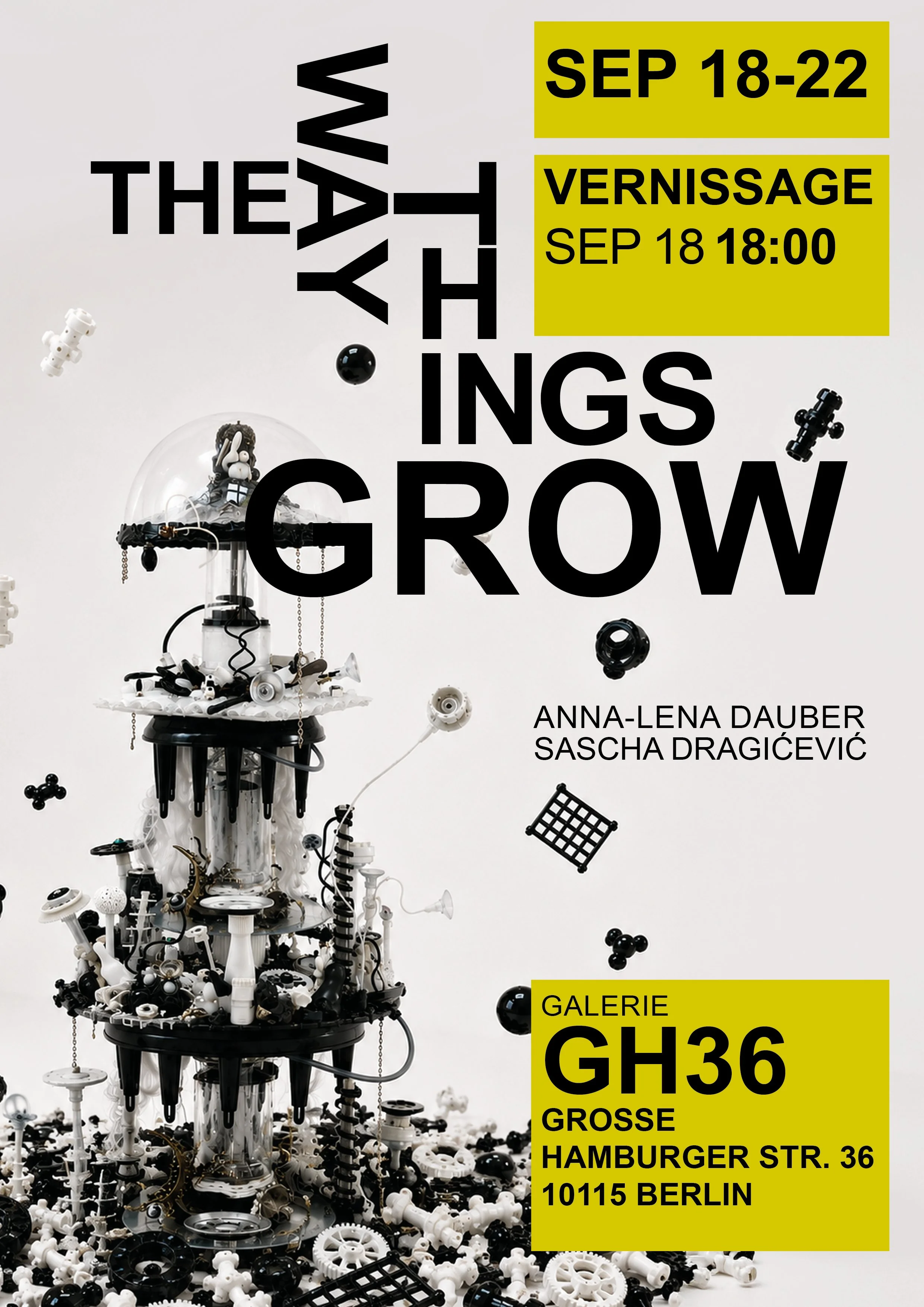
THE WAY THINGS GROW, GH36 Berlin
Solo Exhibition, 18–26 September 2026
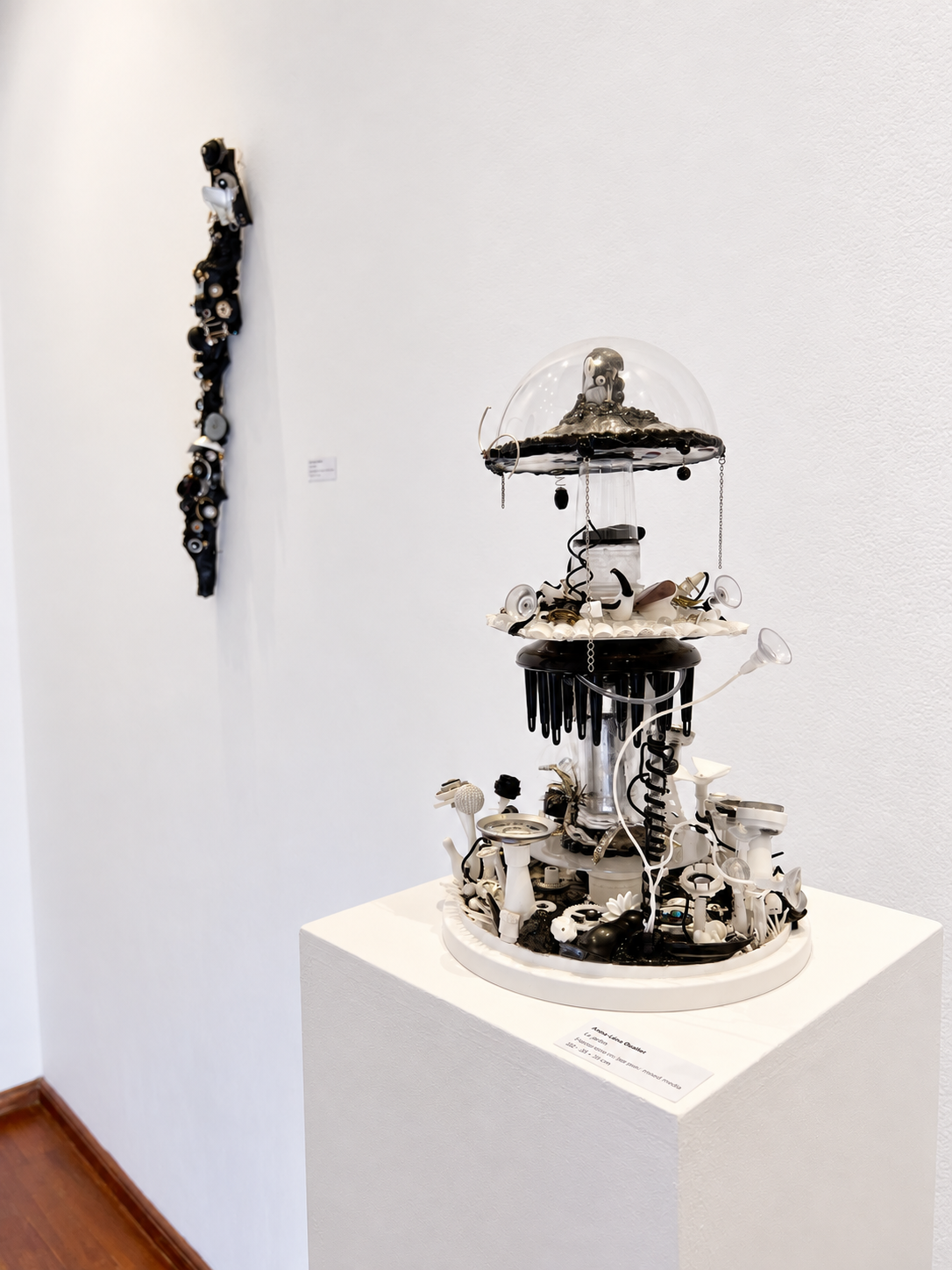
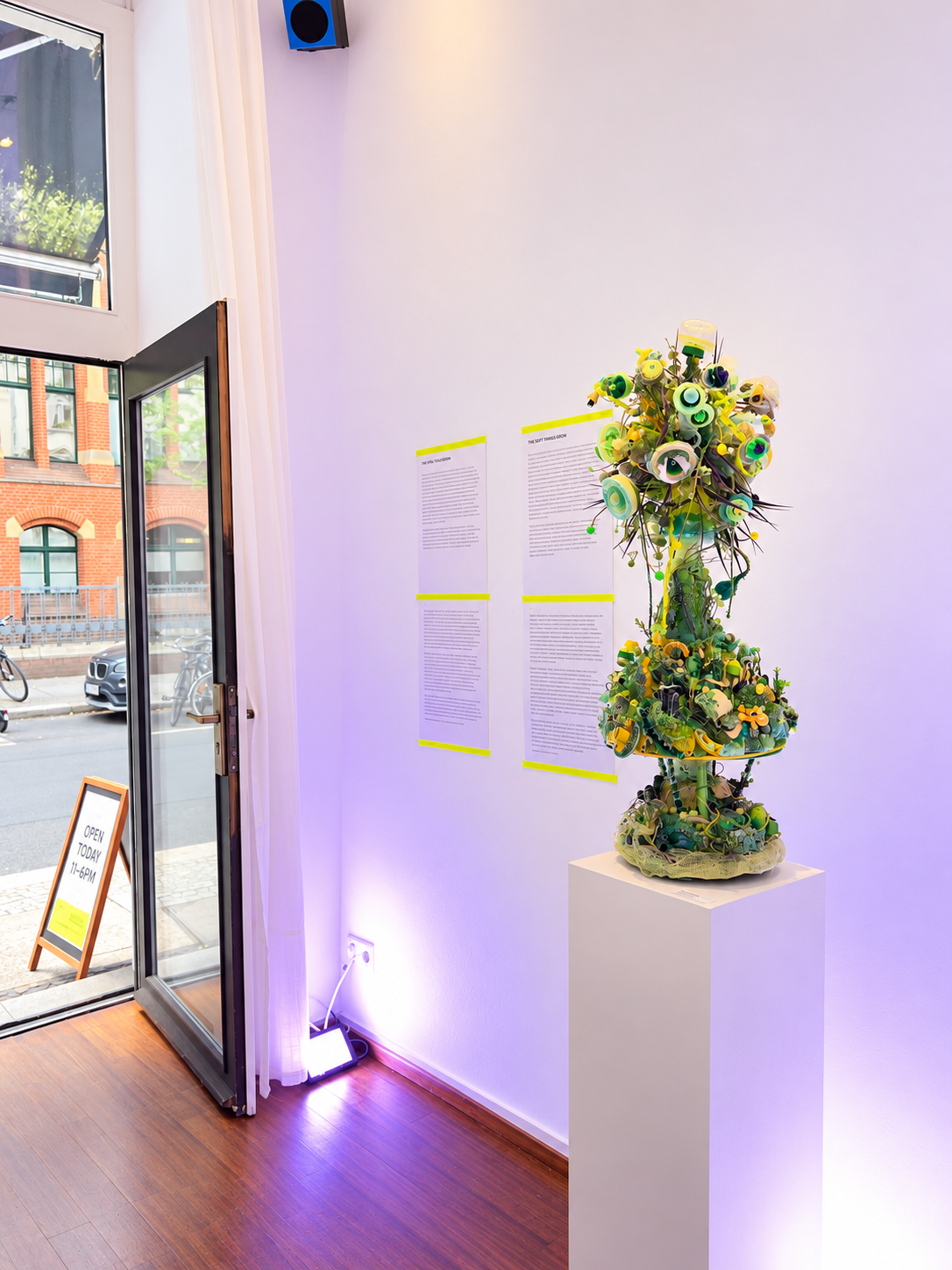
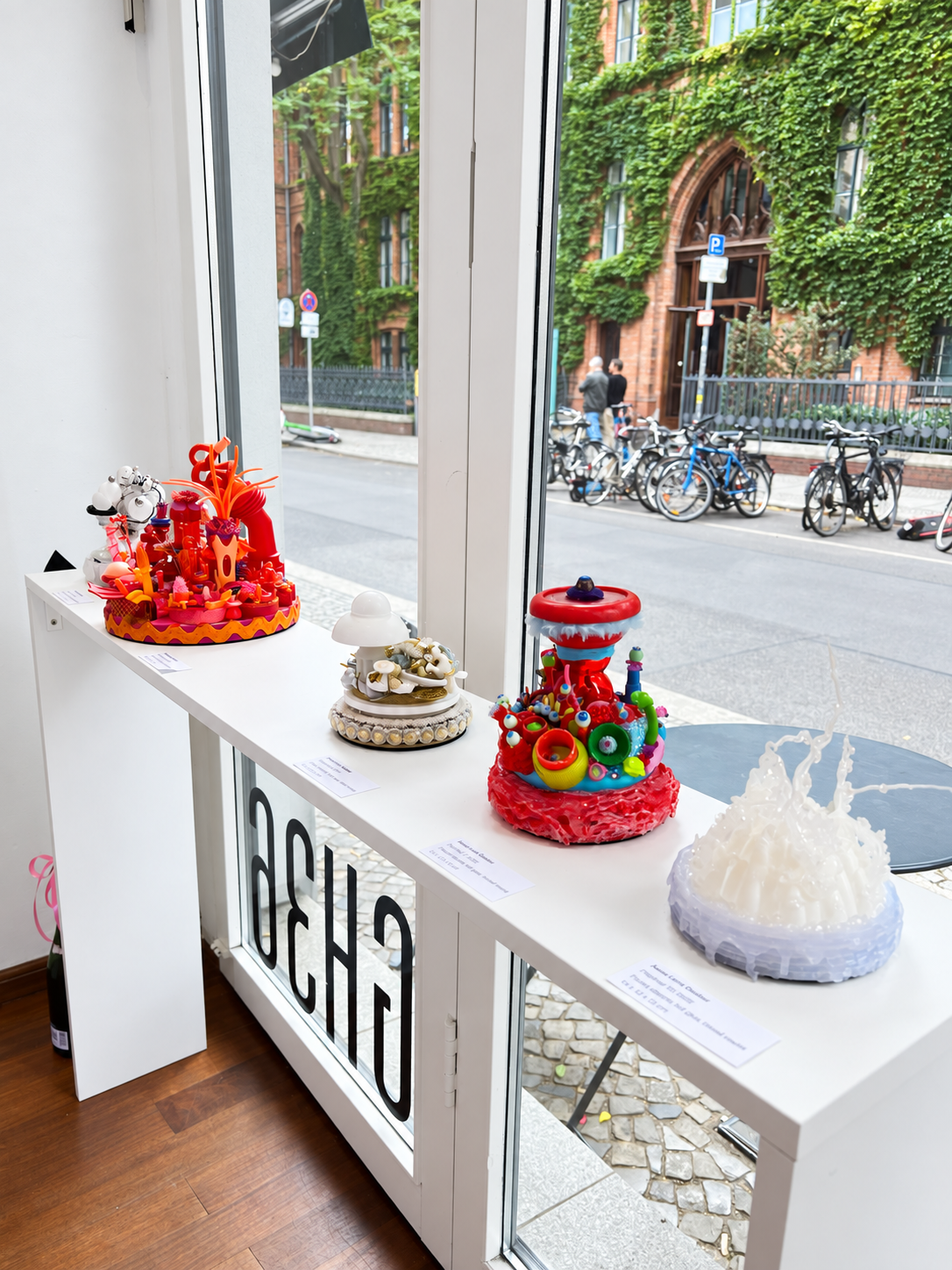
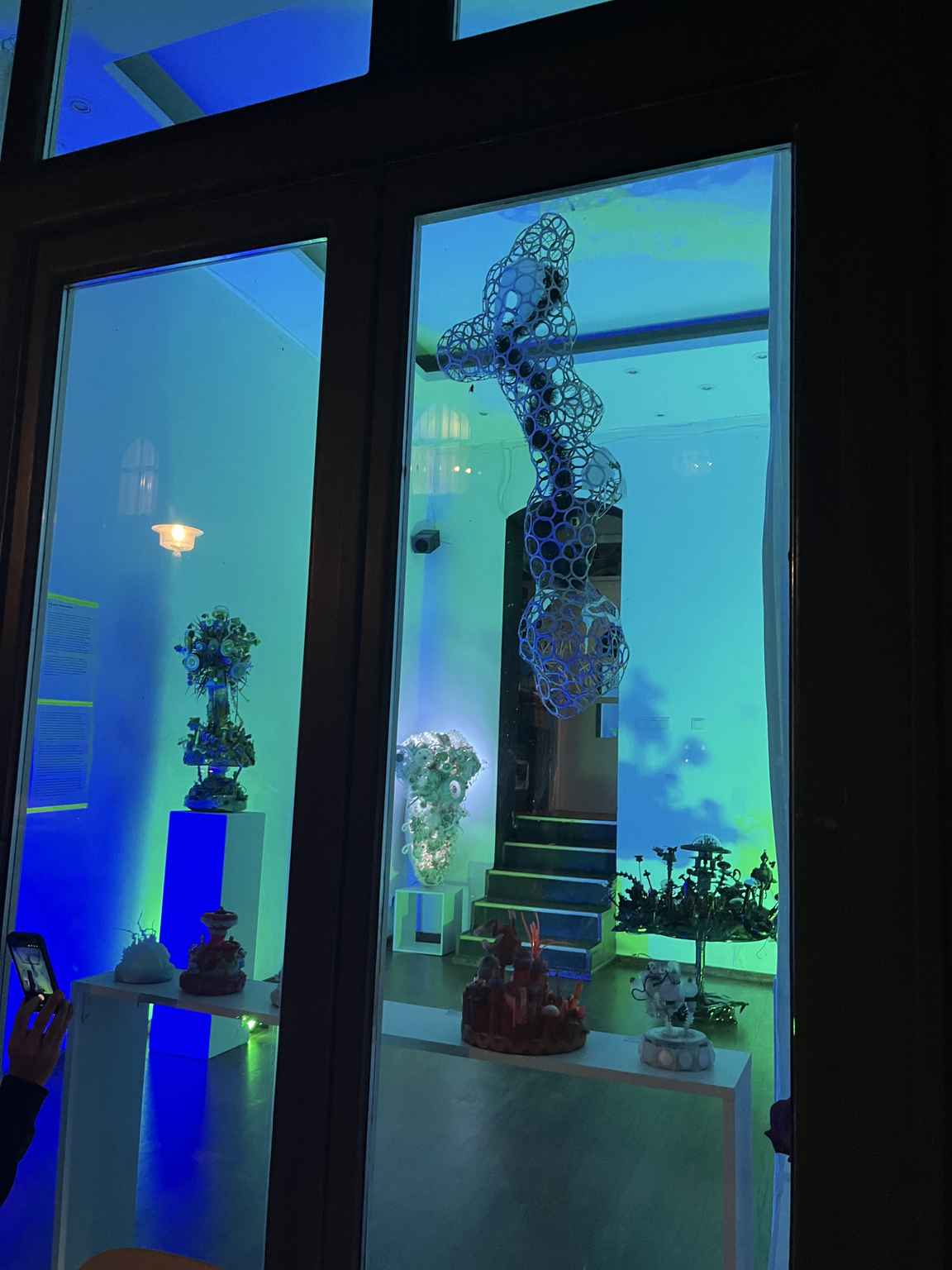
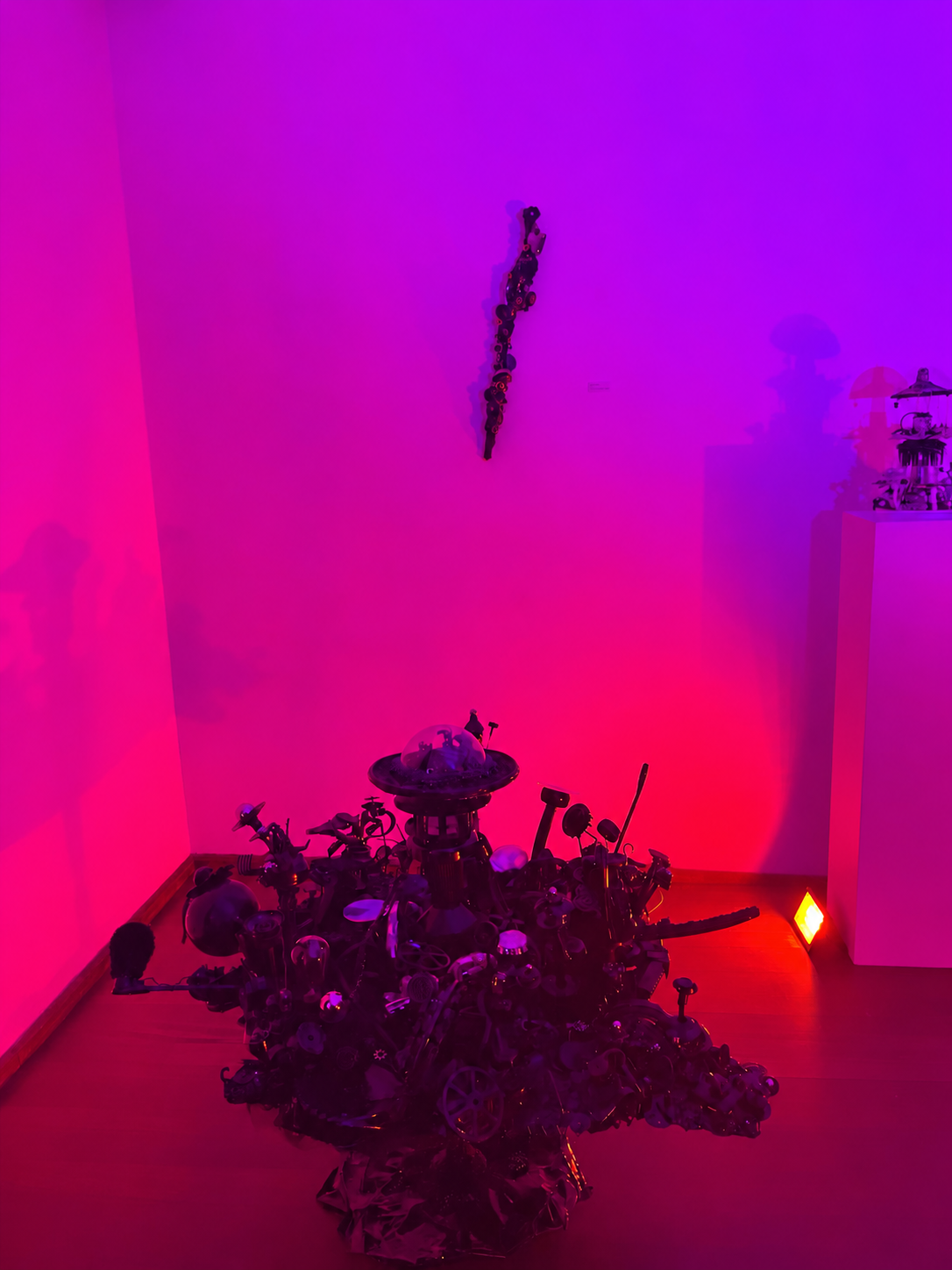
In The Way Things Grow, Anna-Lena Dauber presented a new body of sculptural works at GH36 in Berlin. The exhibition transformed the gallery into a spatial environment in which individual sculptures appeared as parts of a larger, evolving system. A site-specific sound installation by composer Sascha Dragicevic extended these relationships into the acoustic space.
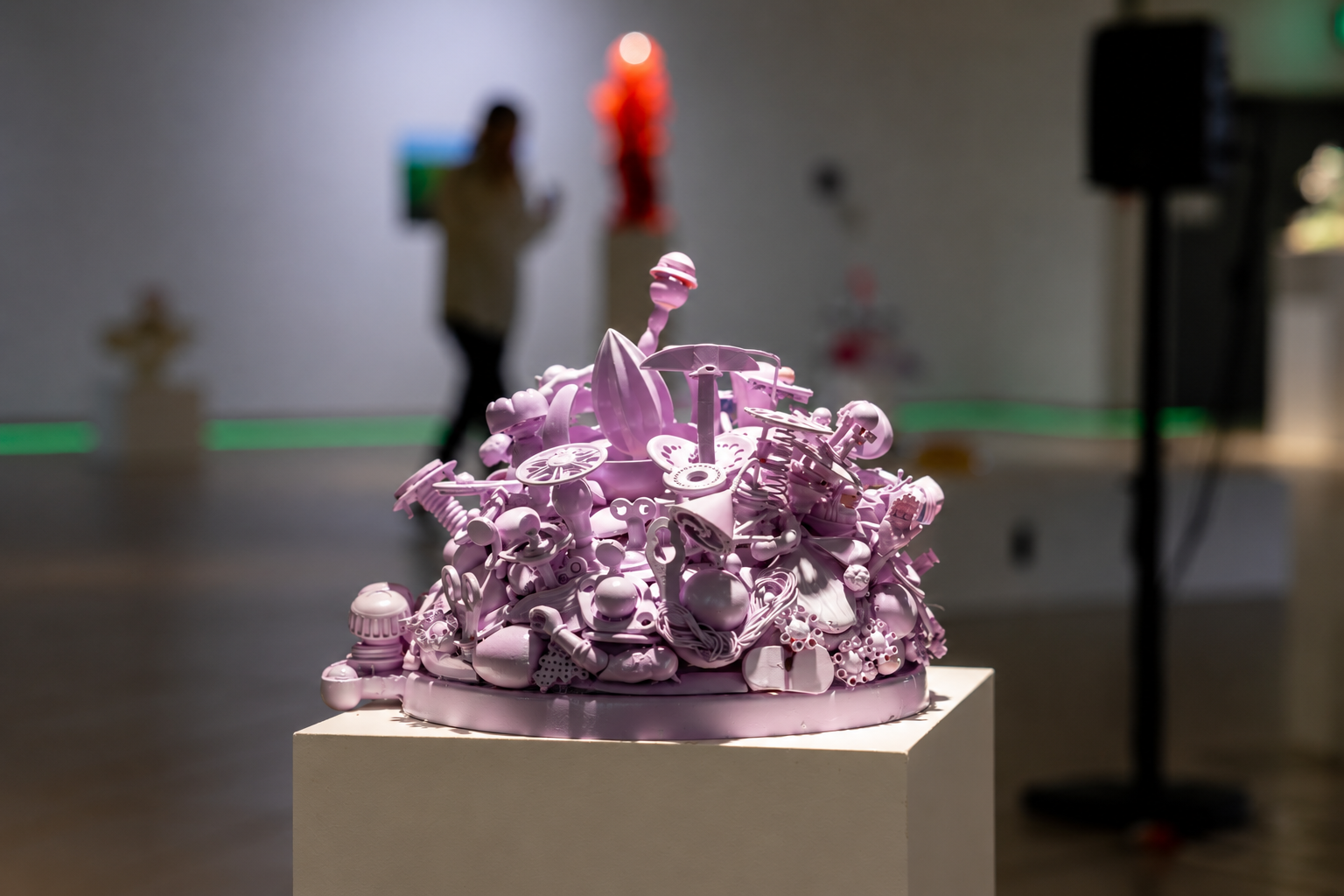
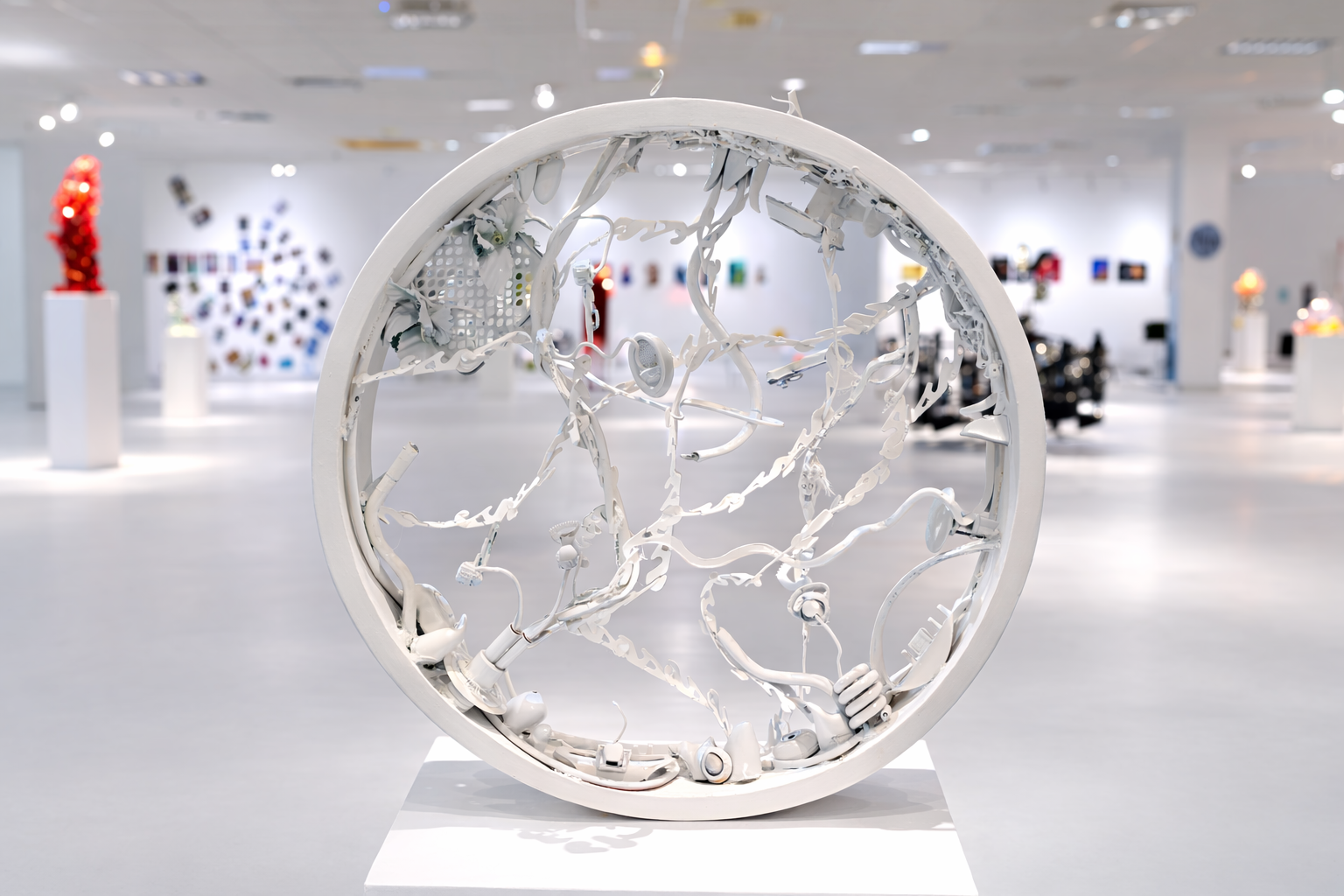
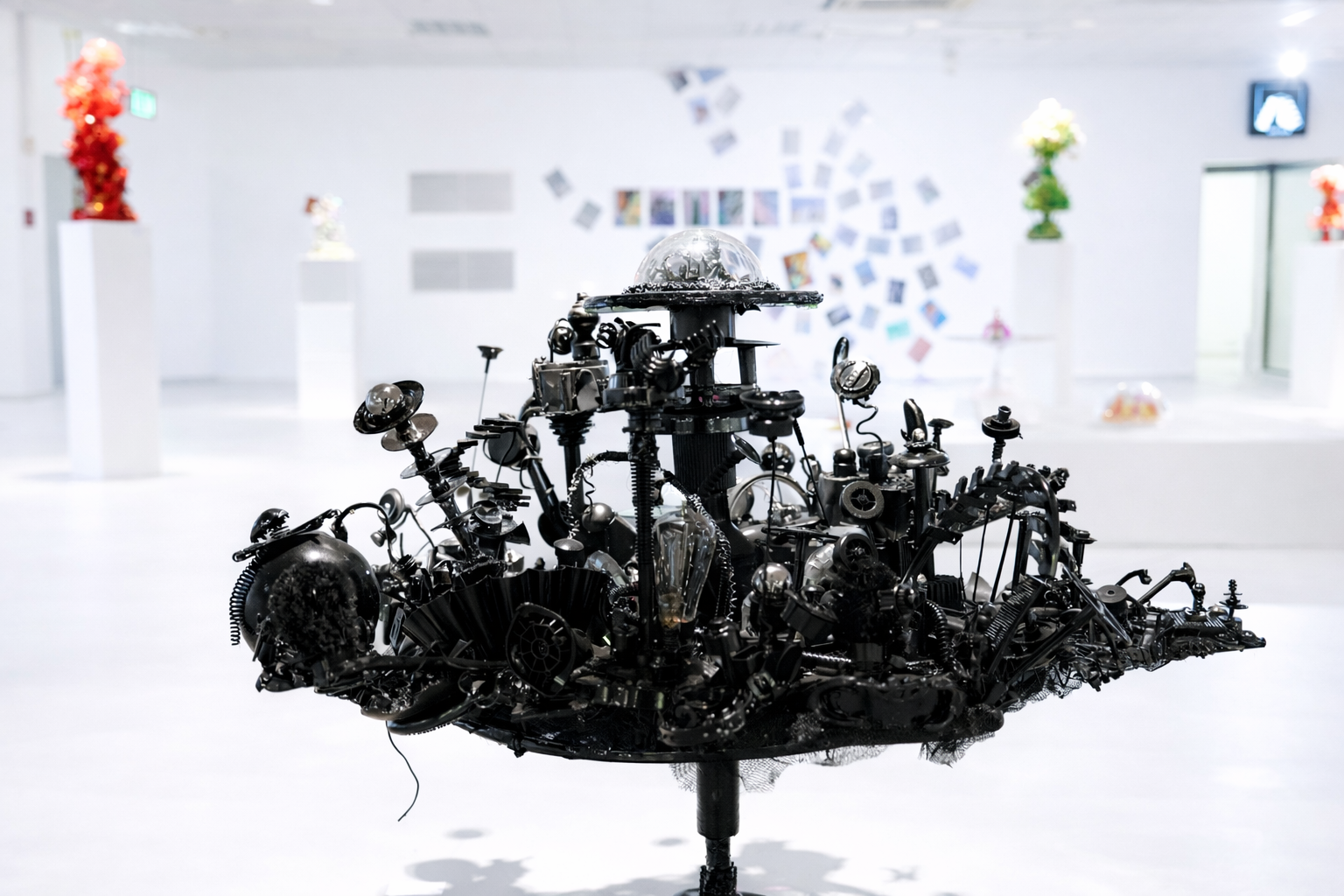
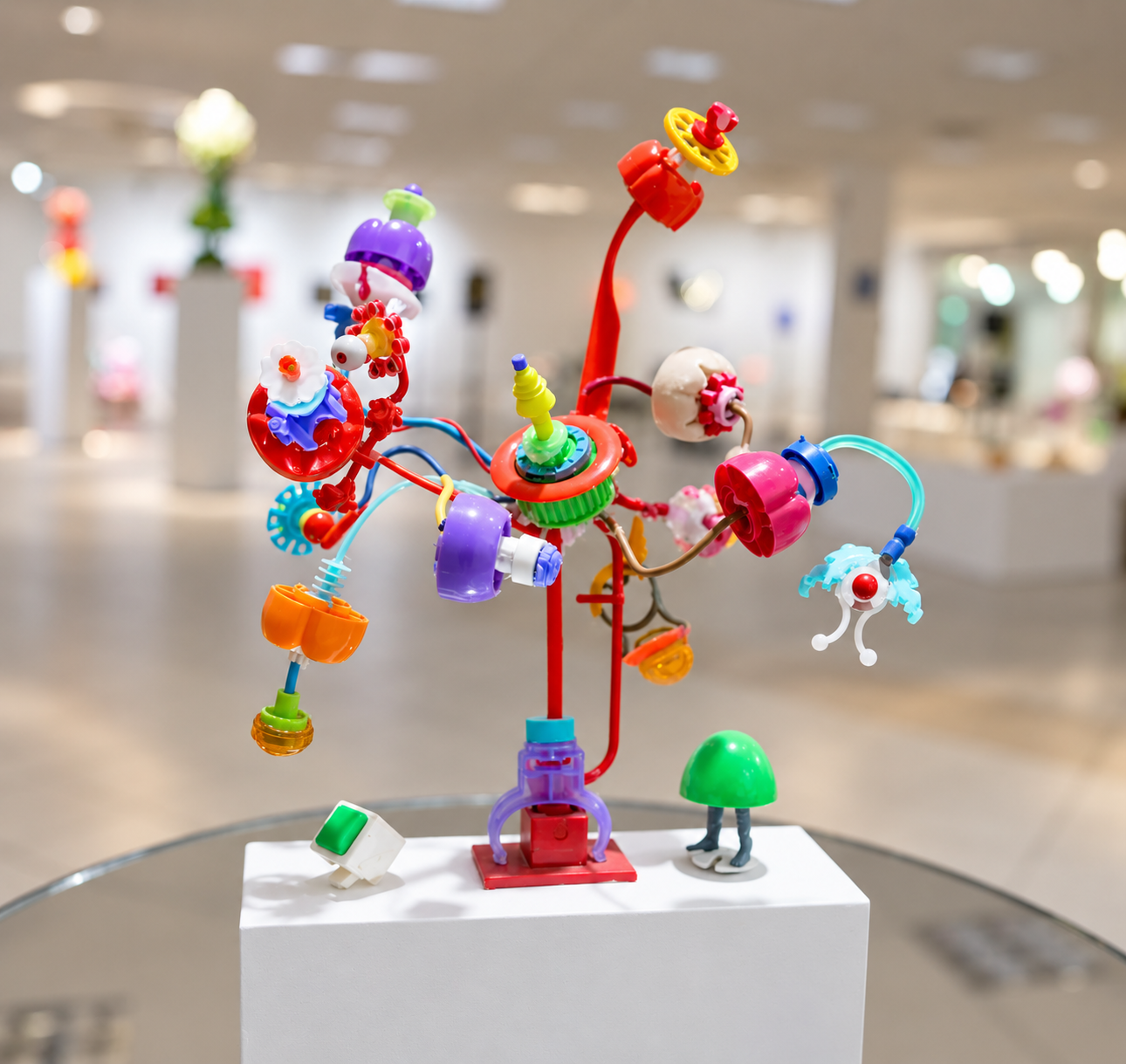
The works were assembled from found and discarded materials collected largely within the urban environment. Through processes of joining, layering, repetition, and accumulation, Dauber transformed these fragments into sculptural formations that seem to develop according to their own internal logic. Rather than imposing a predetermined form, her working process responds to the properties, resistance, and unexpected possibilities of the materials themselves.
At the centre of the exhibition was Mother, a large suspended sculpture whose scale and physical presence established a point of reference for the surrounding works. Smaller assemblages appeared throughout the space like individual entities, creating relationships of proximity, dependence, and exchange. In this way, The Way Things Grow explored growth not as a linear process, but as something produced through connection, accumulation, transformation, and continuous change.
Exhibition Text by Lena Fließbach
-
Anna-Lena Daubers Arbeiten erzählen von fortwährender Transformation, materiellen Verflechtungen und den posthumanen Ökosystemen einer Welt, die längst begonnen hat. Aus Fundstücken entstehen dichte Assemblagen: hybride Wesen, die sich jeder eindeutigen Zuordnung entziehen. Die Skulpturen entwickeln sich aus dem Sammeln, Sortieren, Kombinieren und wieder Verwerfen. Auf den Straßen Berlins gefundene Objekte und liegen gelassener Müll wie Kunststoffreste, Verpackungen, Kabel, Verschlüsse oder Federn begegnen einander im Atelier und beginnen sich anzunähern und zu verweben. Farblich sortierte Fragmente lagern sich Schicht für Schicht übereinander, wachsen organisch, bevölkern Sockel wie kleine Inseln oder Landschaften, bilden Tentakel, Fühler, Blütenstängel, Türme oder blasenartige Auswüchse. Mal erinnern sie an Korallenriffe oder Pilzgeflechte, mal an futuristische Städte, Komposthaufen oder robotische Organismen. Die Materialien reagieren aufeinander, verbinden sich, widersprechen sich und bringen gemeinsam neue Formen hervor.
Donna Haraway hat solche Wesen Critters genannt: vielgestaltige, wandelbare Lebewesen, die in komplexen ökologischen Beziehungen miteinander existieren und die Grenzen zwischen Menschlichem und Mehr-als-menschlichem, zwischen organischer Umwelt und Technik zerfließen lassen. Auch Daubers Skulpturen sind keine Abbilder existierender Organismen. Sie entwerfen vielmehr Möglichkeiten des Zusammenlebens in einer Welt, die längst von gegenseitigen Abhängigkeiten geprägt ist.
Dabei erzählen die verwendeten Objekte stets von ihrer Vergangenheit. Sie stammen aus den Kreisläufen industrieller Produktion und globalen Konsums, aus Dingen, die entsorgt wurden und aus dem Sichtfeld verschwinden und deren Materialität dennoch bleibt. Plastik, eines der prägenden Materialien des Anthropozäns, zersetzt sich über Jahrhunderte, wird Teil von Böden, Gewässern und Körpern. Was einst als eines von unzähligen Produkten des spätkapitalistischen Konsums entstand, wird in den Arbeiten der Künstlerin zum Ausgangspunkt neuer Erzählungen und materieller Verflechtungen. Die geologische Schicht des Anthropozäns erscheint hier nicht nur als Ablagerung menschlicher Hinterlassenschaften, sondern als Ausgangspunkt einer imaginären Evolution und Nährboden für unerwartete Lebensformen.
Anna Lowenhaupt Tsing beschreibt, wie neues Leben auf zerstörten Landschaften wächst und etwa der Matsutake-Pilz nur wild auf organischem Boden gedeiht, der durch Waldbrände beschädigt wurde. Ähnlich erscheinen Daubers Skulpturen als Organismen einer spekulativen Ökologie: Sie wachsen in symbiotischen, artenübergreifenden Verbindungen aus den Überresten menschlicher Produktion. Besonders eindringlich sind die unzähligen kleinen Augen, die aus vielen ihrer Arbeiten hervorschauen. Sie richten den Blick zurück. Es sind die Blicke neuer Mitbewohnender dieses Planeten, die auf ihre Umgebung reagieren, ihre Fühler ausstrecken, weiterwachsen und in Verbindung untereinander treten. Die ausgestellten Gestalten sind eine vorläufige Verdichtung eines fortlaufenden Prozesses.
Anna-Lena Daubers Skulpturen lassen sich als poetische Modelle einer Welt lesen, in der die langlebigsten, zerstörerischsten Relikte menschlicher Produktion Ausgangspunkt unerwarteter Entwicklungen werden. Sie laden dazu ein, genauer hinzusehen: auf die Dinge, die wir zurücklassen, auf die Geschichten, die in Materialien eingeschrieben sind, auf all die Lebewesen, mit denen wir verwoben sind und auf jene mehr-als-menschlichen Zukünfte, von denen auch unsere Existenz abhängt.
Lena Fließbach (Kuratorin und Autorin) -
Anna-Lena Dauber’s works speak of ongoing transformation, material entanglements, and the posthuman ecosystems of a world already in the making. Found objects are brought together in dense assemblages: hybrid beings that resist any clear-cut classification. The sculptures evolve through processes of collecting, sorting, combining, and discarding anew. Objects found on the streets of Berlin and abandoned waste—plastic fragments, packaging, cables, caps, springs—encounter one another in the studio, gradually drawing closer and becoming intertwined. Fragments sorted by colour accrete layer by layer, growing organically, inhabiting plinths like small islands or landscapes, forming tentacles, feelers, flower stalks, towers, or blister-like protrusions. At times they evoke coral reefs or fungal networks; at others, futuristic cities, compost heaps, or robotic organisms. The materials respond to one another, connect, contradict one another, and together give rise to new forms.
Donna Haraway has called such beings critters: multiform, mutable creatures that exist within complex ecological relationships and dissolve the boundaries between the human and the more-than-human, between organic environments and technology. Dauber’s sculptures, too, are not representations of existing organisms. Rather, they imagine possibilities of coexistence in a world already shaped by mutual dependencies.
At the same time, the objects she uses always carry traces of their past. They emerge from the circuits of industrial production and global consumption, from things that have been discarded and disappeared from view, while their material presence endures. Plastic, one of the defining materials of the Anthropocene, takes centuries to break down, becoming part of soils, bodies of water, and bodies themselves. What once emerged as one among countless products of late-capitalist consumption becomes, in Dauber’s work, the starting point for new narratives and material entanglements. Here, the geological stratum of the Anthropocene appears not only as a sediment of human remains, but as the starting point of an imagined evolution—a fertile ground for unexpected forms of life.
Anna Lowenhaupt Tsing describes how new life flourishes on damaged landscapes, pointing, for example, to the matsutake mushroom, which grows wild in organic soils scarred by forest fire. Dauber’s sculptures similarly appear as organisms of a speculative ecology: they grow from the remnants of human production through symbiotic, cross-species entanglements. Particularly striking are the countless small eyes that peer out from many of the works. They return our gaze. These are the eyes of new fellow inhabitants of this planet—beings that respond to their surroundings, extend their feelers, continue to grow, and enter into relationships with one another. The figures on view are a provisional condensation of an ongoing process.
Anna-Lena Dauber’s sculptures can be read as poetic models of a world in which the most enduring and destructive relics of human production become the starting point for unforeseen developments. They invite us to look more closely: at the things we leave behind, at the stories inscribed in materials, at all the living beings with whom we are entangled, and at those more-than-human futures on which our own existence also depends.
Lena Fließbach (curator and author)
SUMAC SPACE × ART & DIALOGUE, Berlin
Future Frequencies Lab and Exhibition, July 2026
Anna-Lena Dauber participated in the Future Frequencies Lab, a multi-day interdisciplinary programme developed by SUMAC Space in collaboration with Art and Dialogue. Originally founded as a digital platform, SUMAC Space has since expanded its activities into physical exhibition and project spaces. For the Future Frequencies Lab, artists and cultural practitioners from Germany and Italy came together, including the Milan-based collective Laboratorio Silenzio, whose practice engages with silence, non-verbal communication, the body, gesture, and relational forms of artistic exchange.
The programme brought together different artistic perspectives through an intensive period of collective work, culminating in a group exhibition at Art and Dialogue.
Within her working group, Dauber explored questions of listening, communication, and collective meaning-making across different languages and artistic practices. Shared materials, gestures, conversations, and periods of working alongside one another became part of a process in which individual approaches continuously influenced and transformed each other.
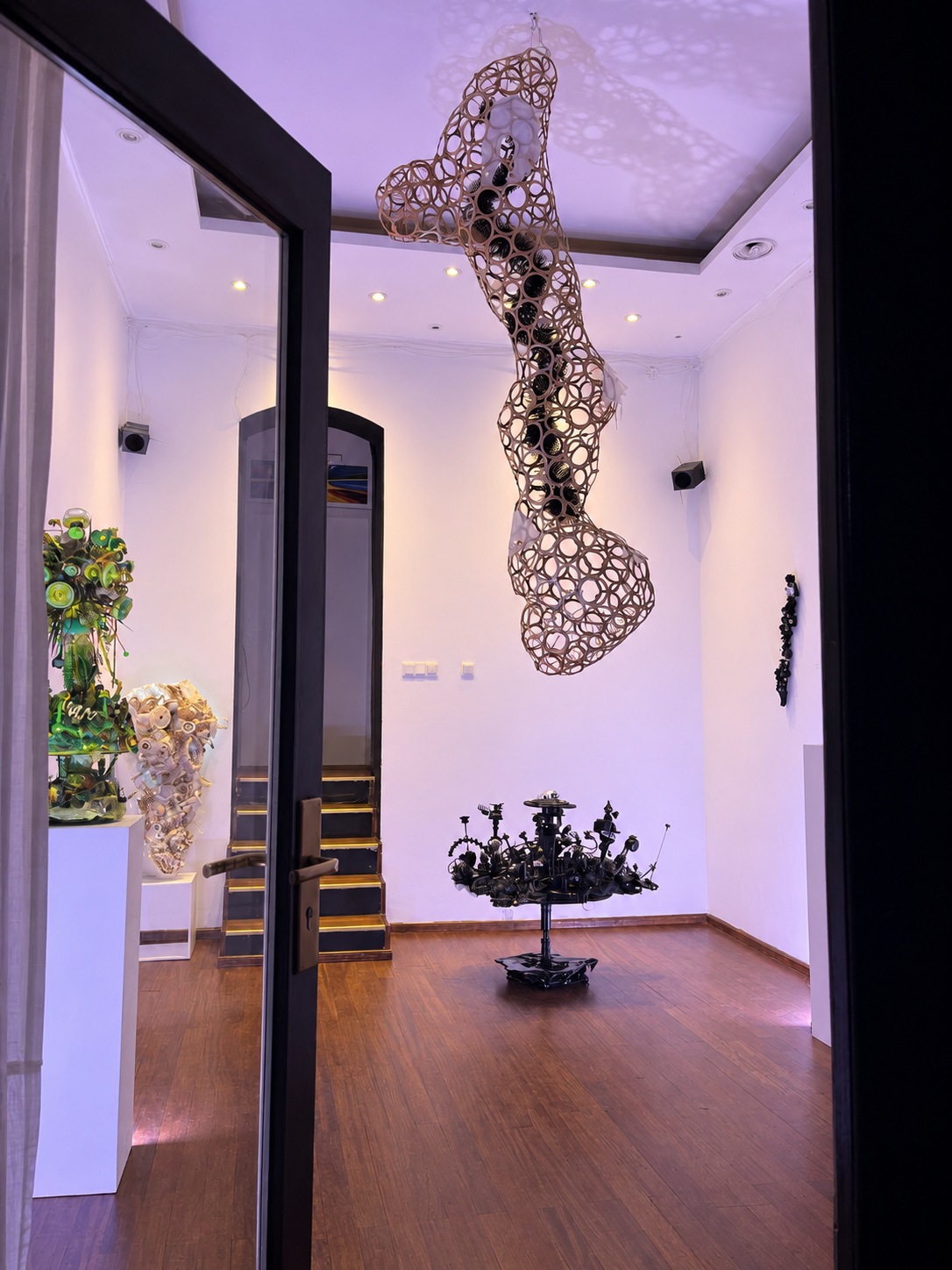
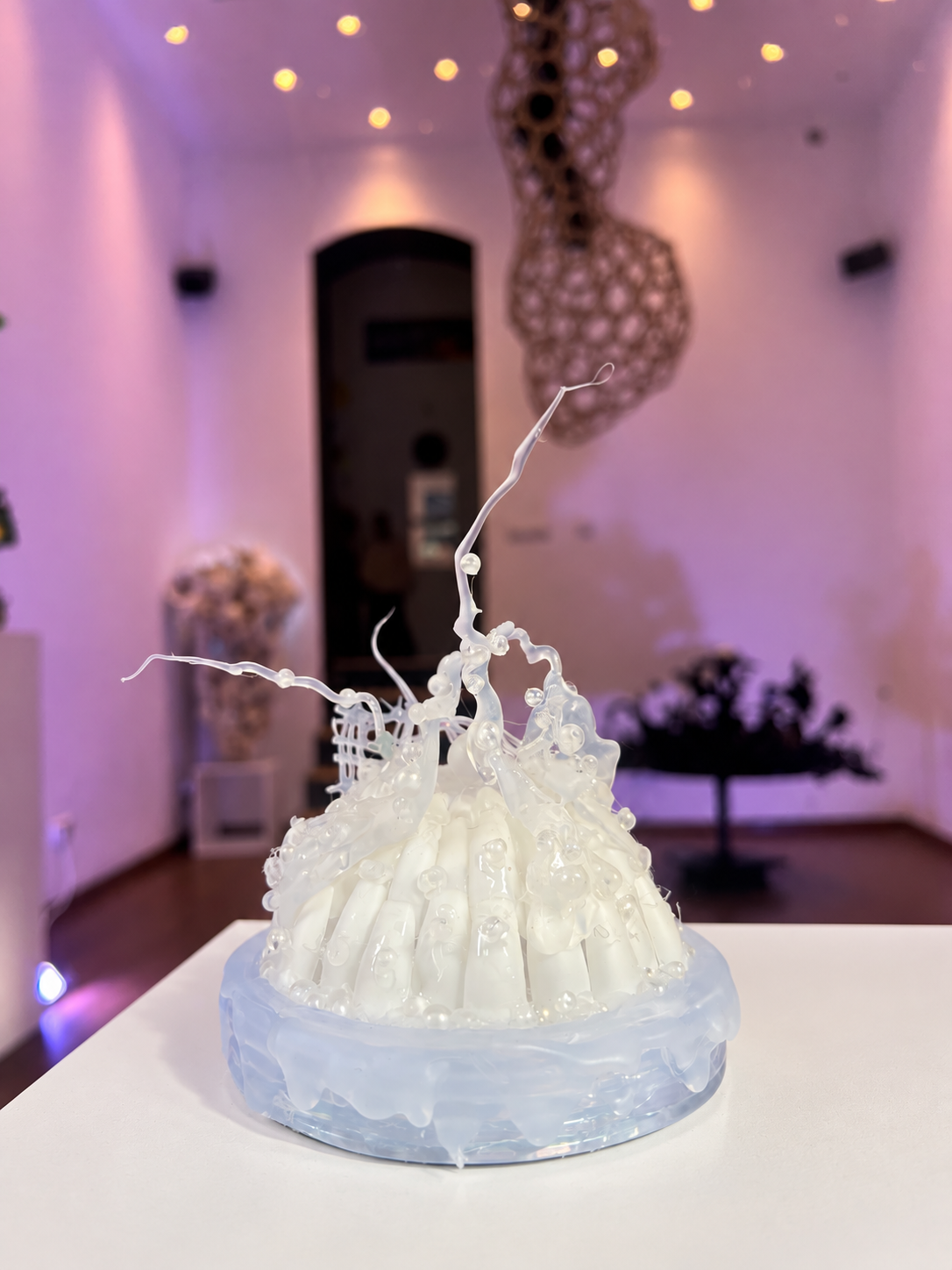
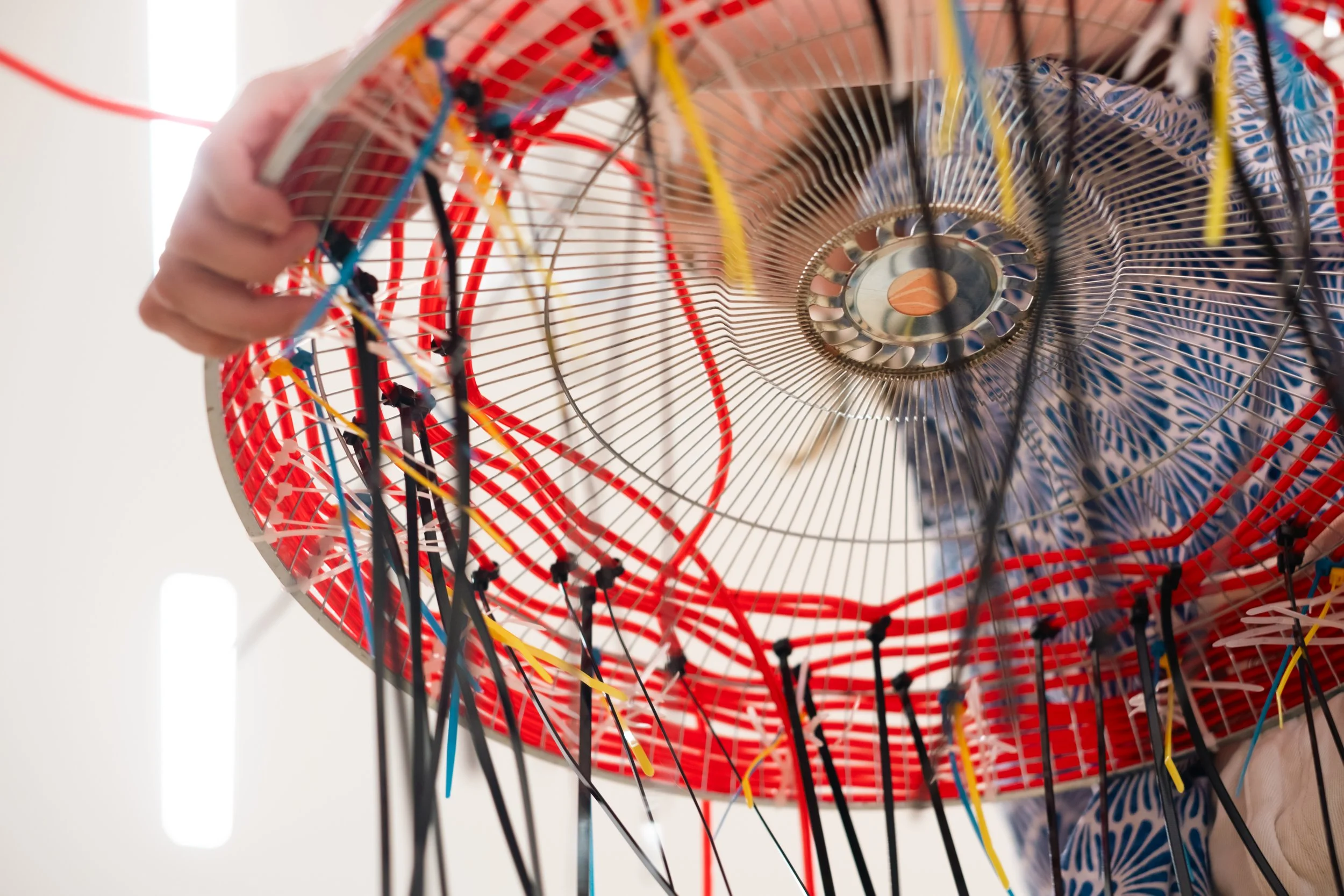
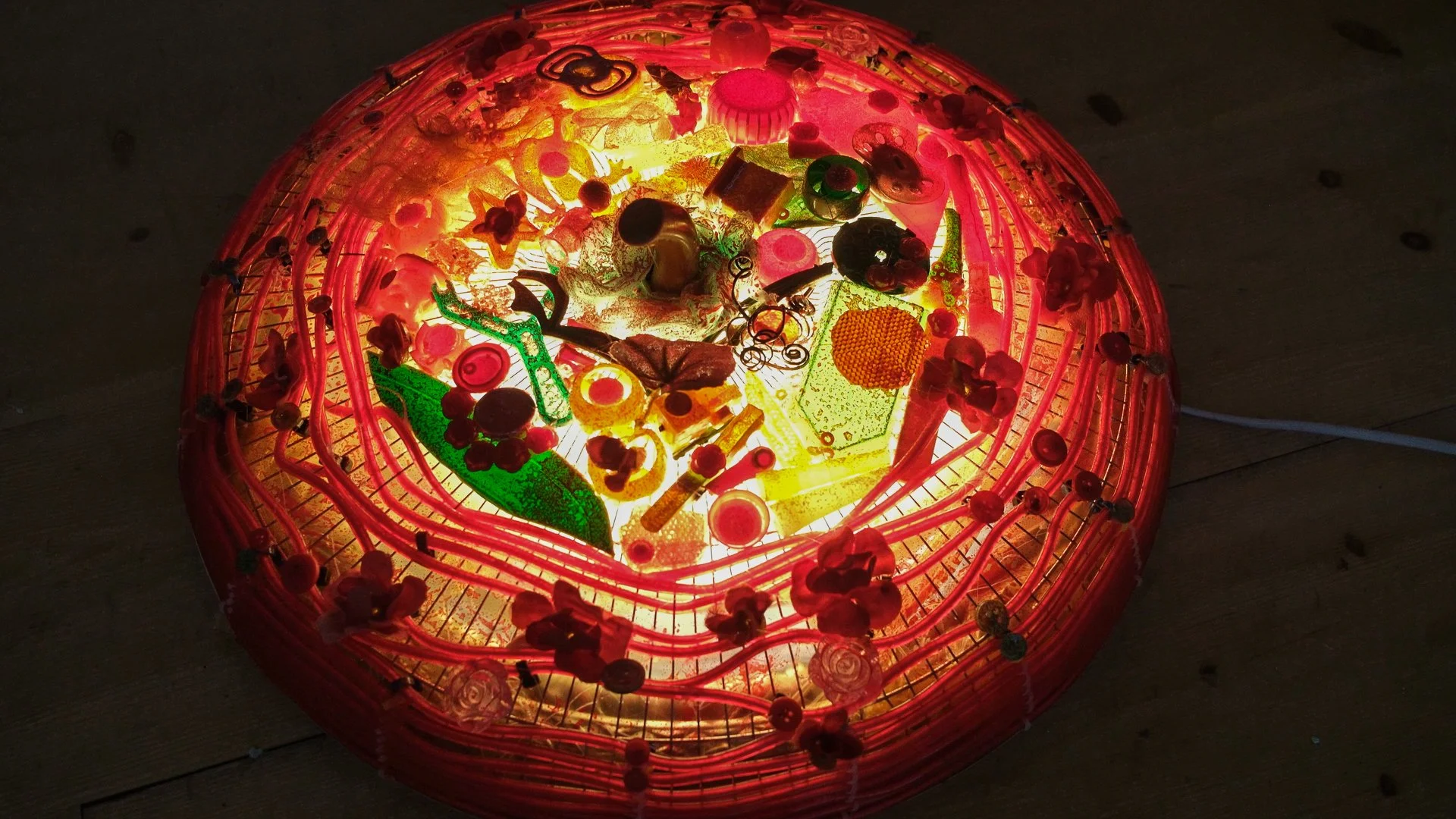
Her contribution was an illuminated sculptural assemblage made largely from objects found in the surrounding neighbourhood. Beginning with a discarded component of a ventilator that resembled the top of an apple, she developed the work through repetitive weaving, transparent foil, colour, and light. The process connected her ongoing engagement with found materials and transformation with reflections on labour, consumption, memory, and the shifting meanings objects acquire through personal experience.
The project concluded with a public group exhibition at Art and Dialogue. An accompanying catalogue is scheduled for publication in early 2027.
© Eleonora Rettori
CROSSROADS, Soho-House Berlin
Artist Talk, January 20
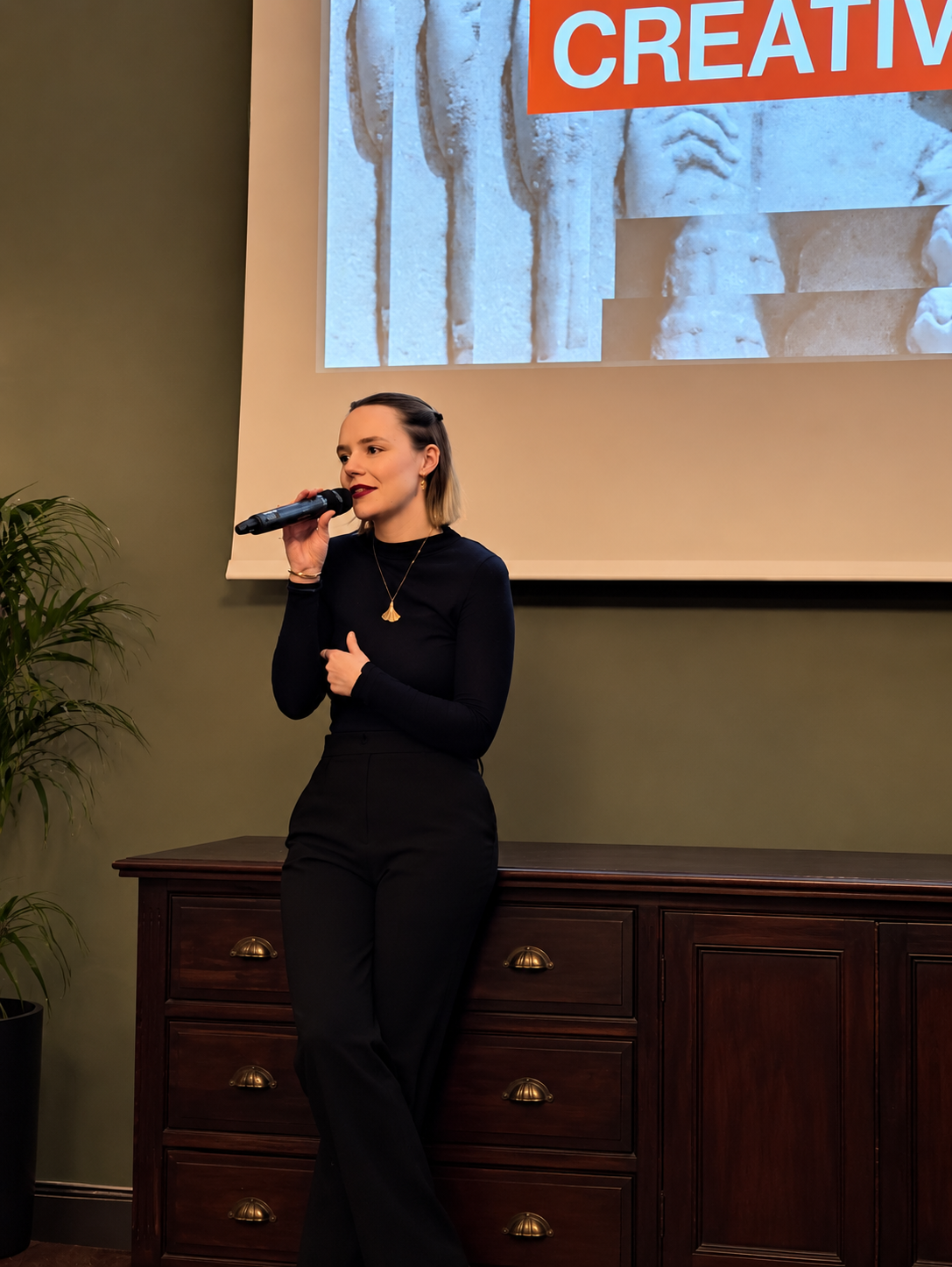
As part of Crossroads, a conversation series curated by Lukas Feireiss, Anna-Lena Dauber spoke at Soho House Berlin about her artistic practice and its current development. The series brings together artists from different disciplines, focusing less on finished works than on the thought processes, ruptures, and transitions that shape artistic practice.
Together with the other speakers, Dauber reflected on her engagement with material transformation, fragmentation, and the formation of systems. Her contribution focused on the shift from large-scale spatial installations toward more condensed, small-scale sculptures conceived as autonomous, layered micro-systems.
The evening offered insight into her working processes and conceptual framework, as well as into questions of scale, space, and perception within her current practice.
2025
Gallery GH36, Berlin
Group Exhibition, November 29-30
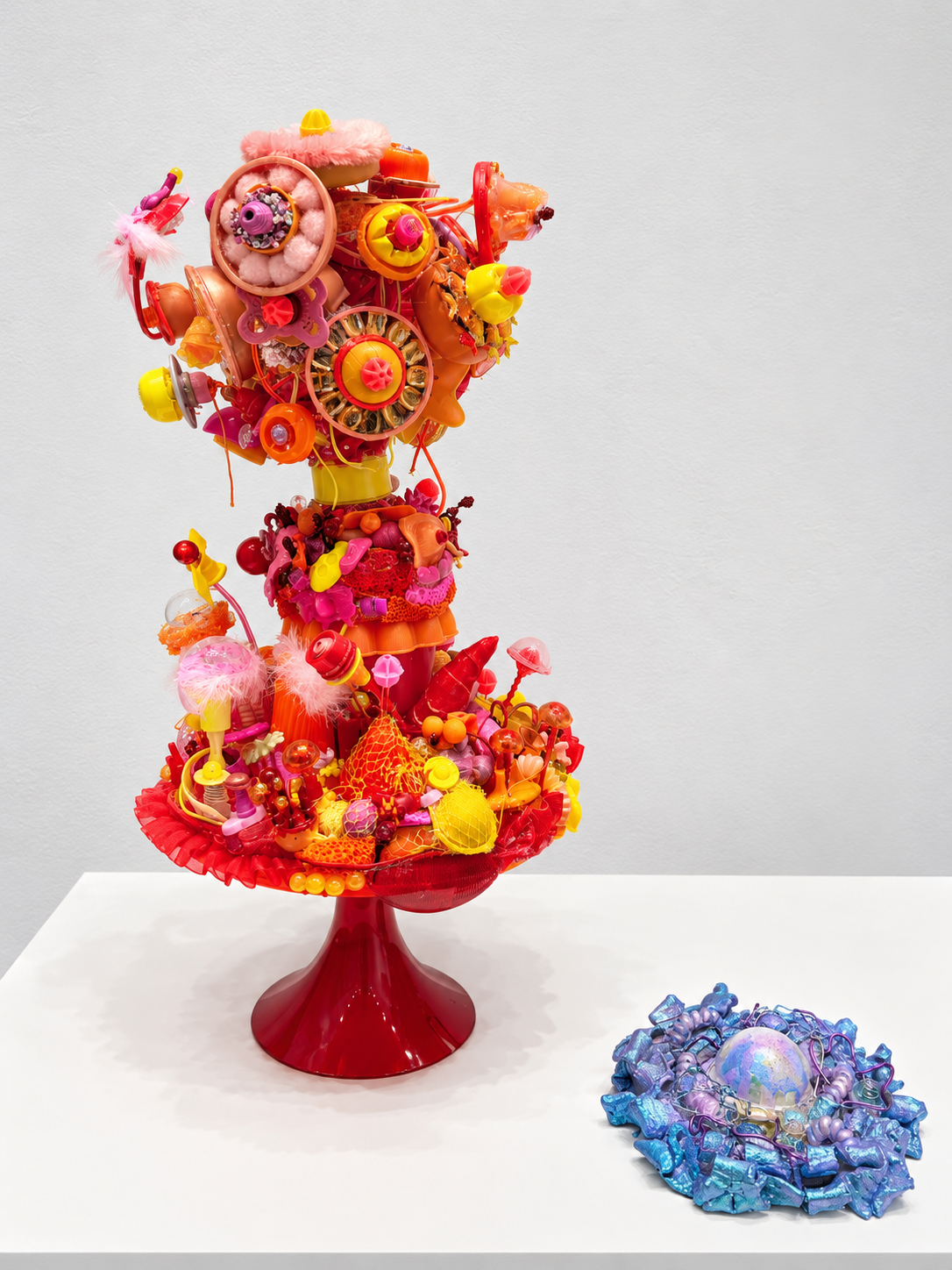
As part of a group exhibition at Galerie GH36, Anna-Lena Dauber presented a selection of recent works, including Gitti and Oktopus. Both sculptures transform found urban materials into dense, layered formations, exploring biography, perception, and material relationships.
The works reflect key aspects of Dauber’s practice: fragmentation, transformation, and the formation of systems.
Solo-exhibition PLASTIK IM SYSTEM
(Plastic in the System)
September 26 - 30
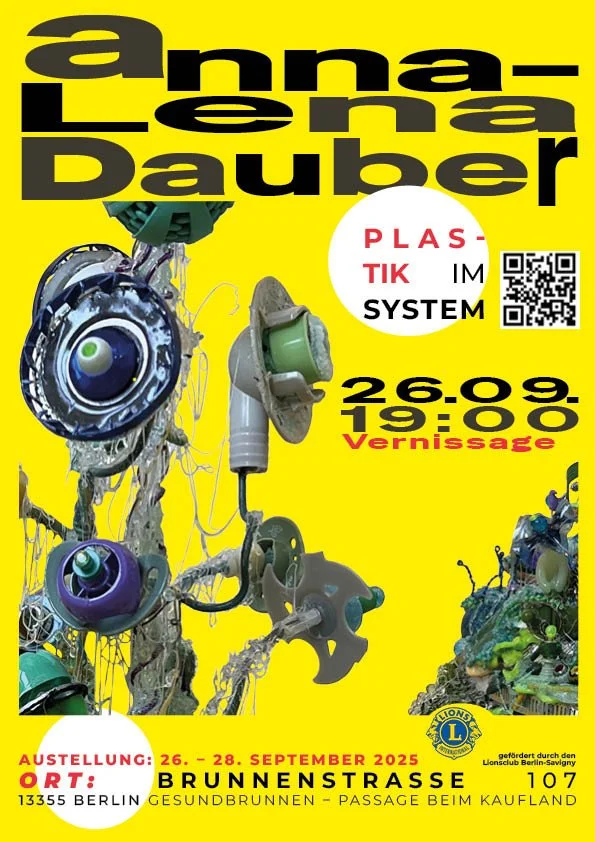
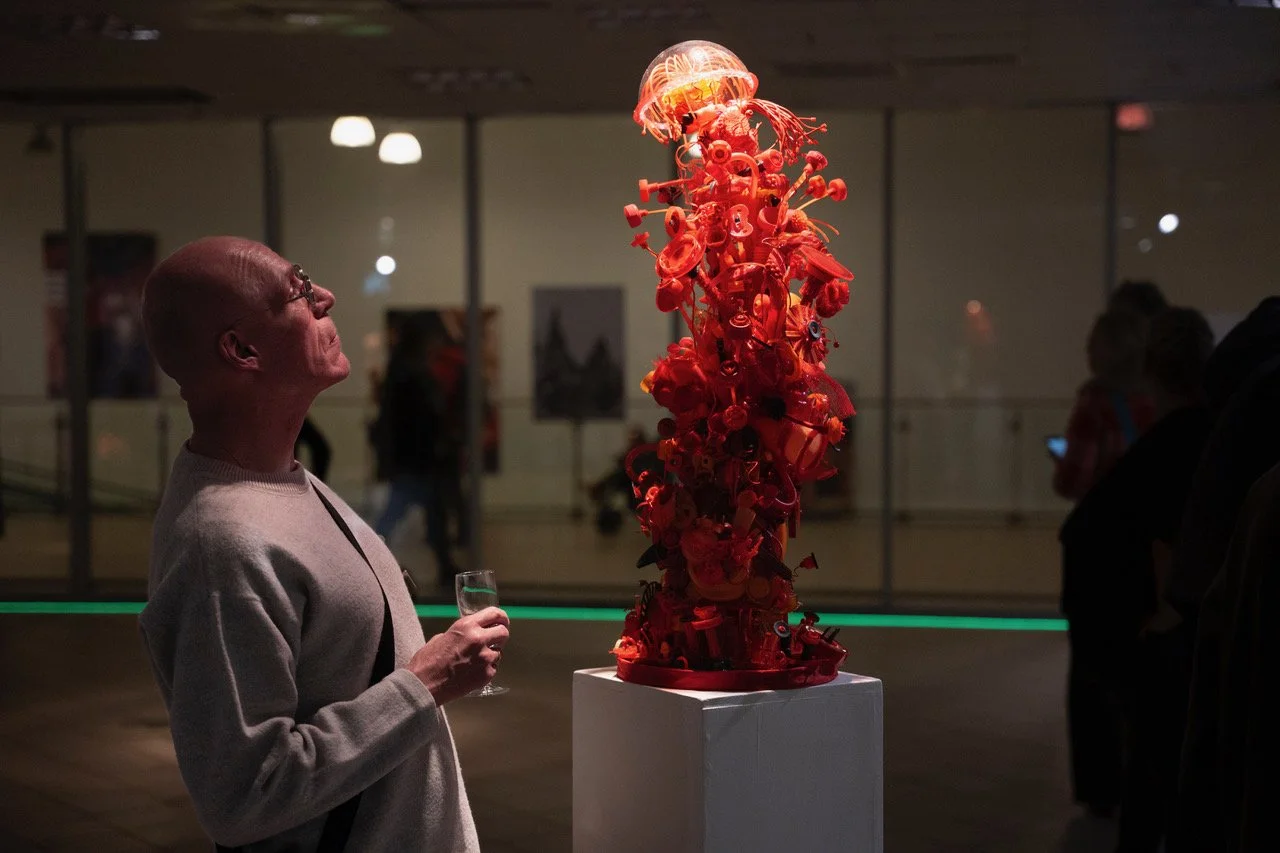
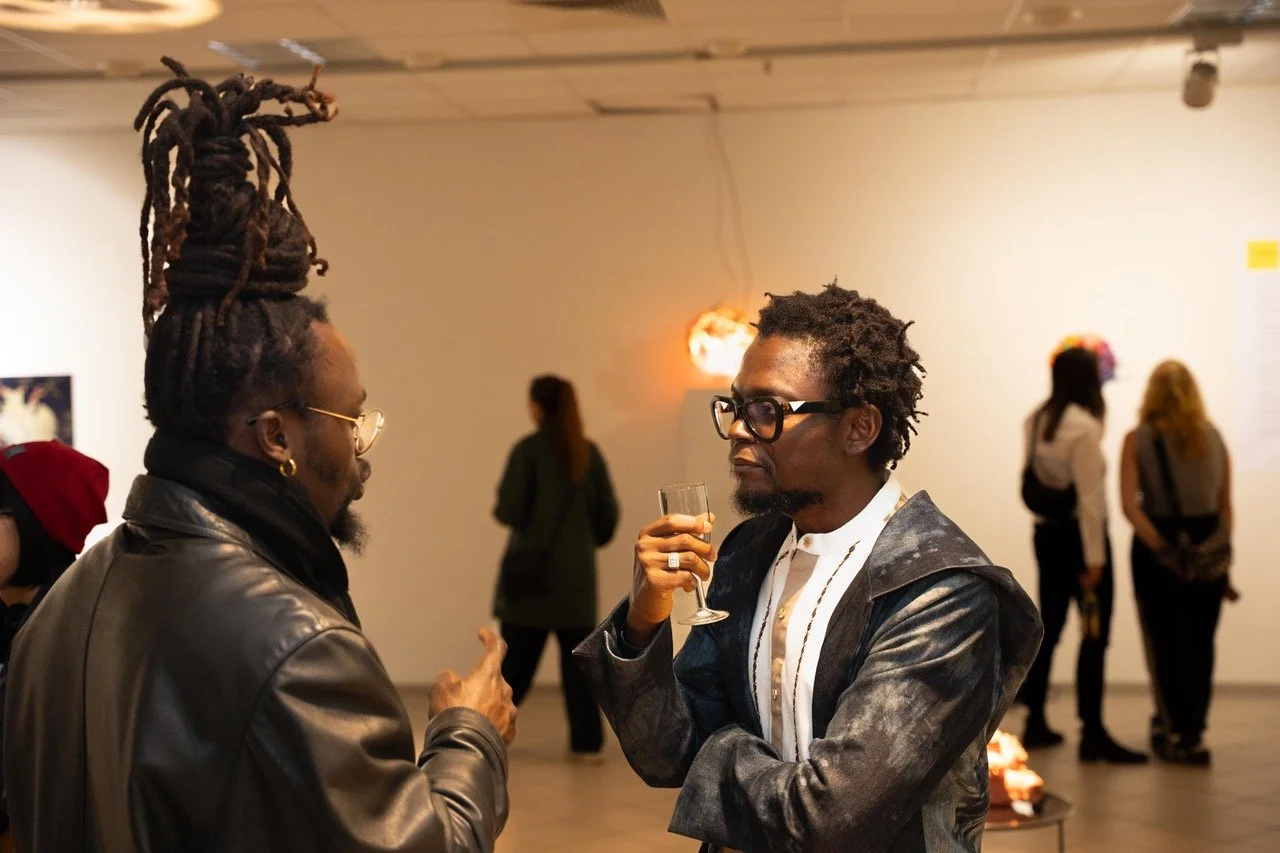
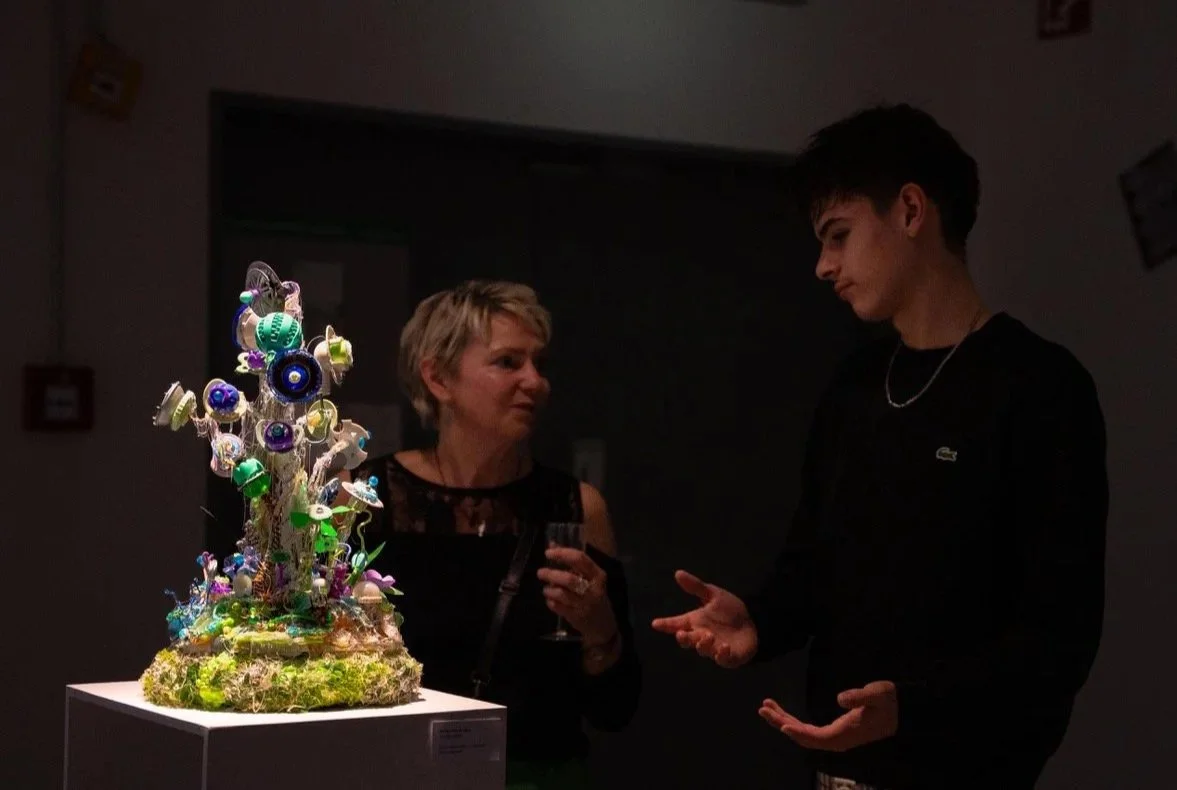
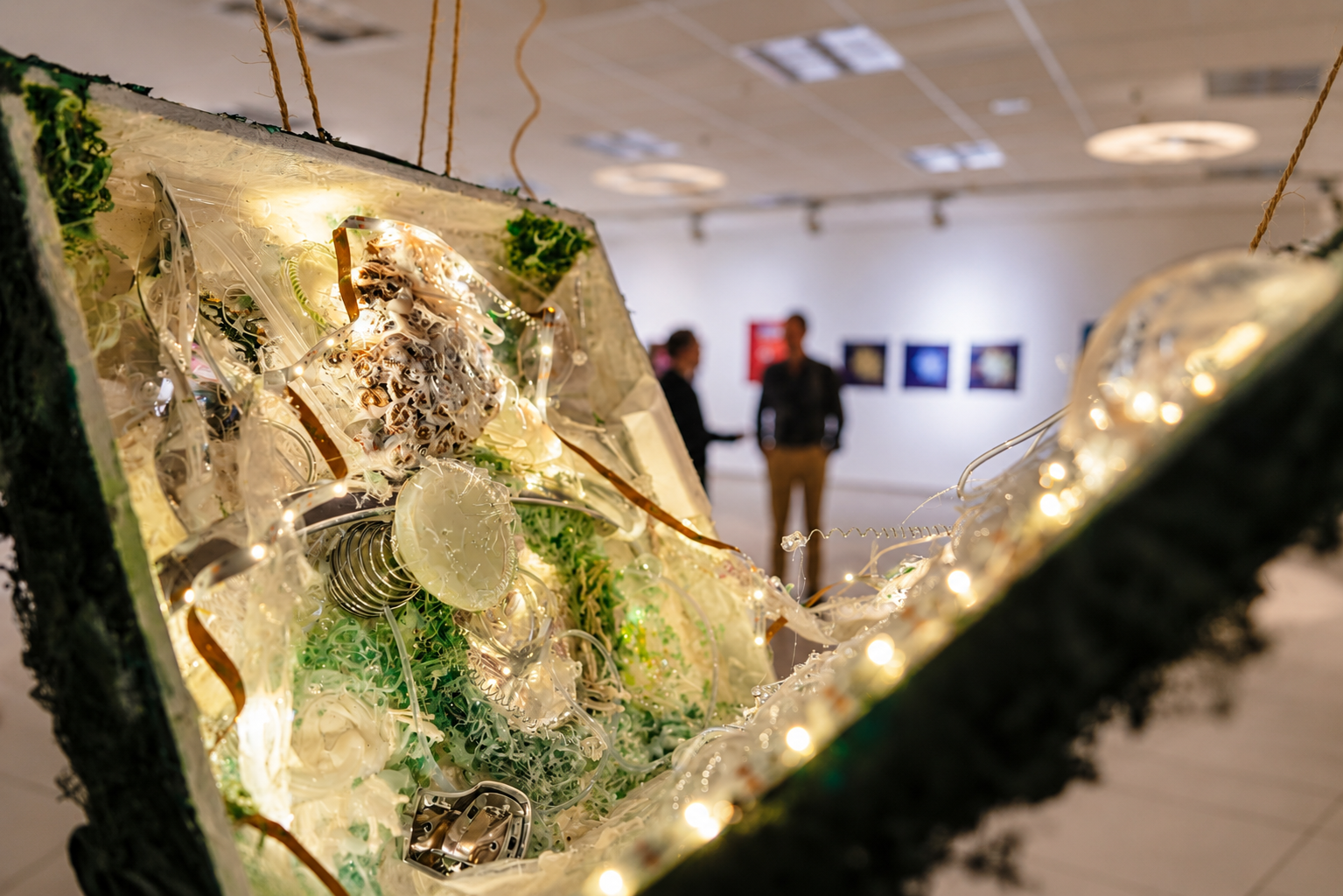
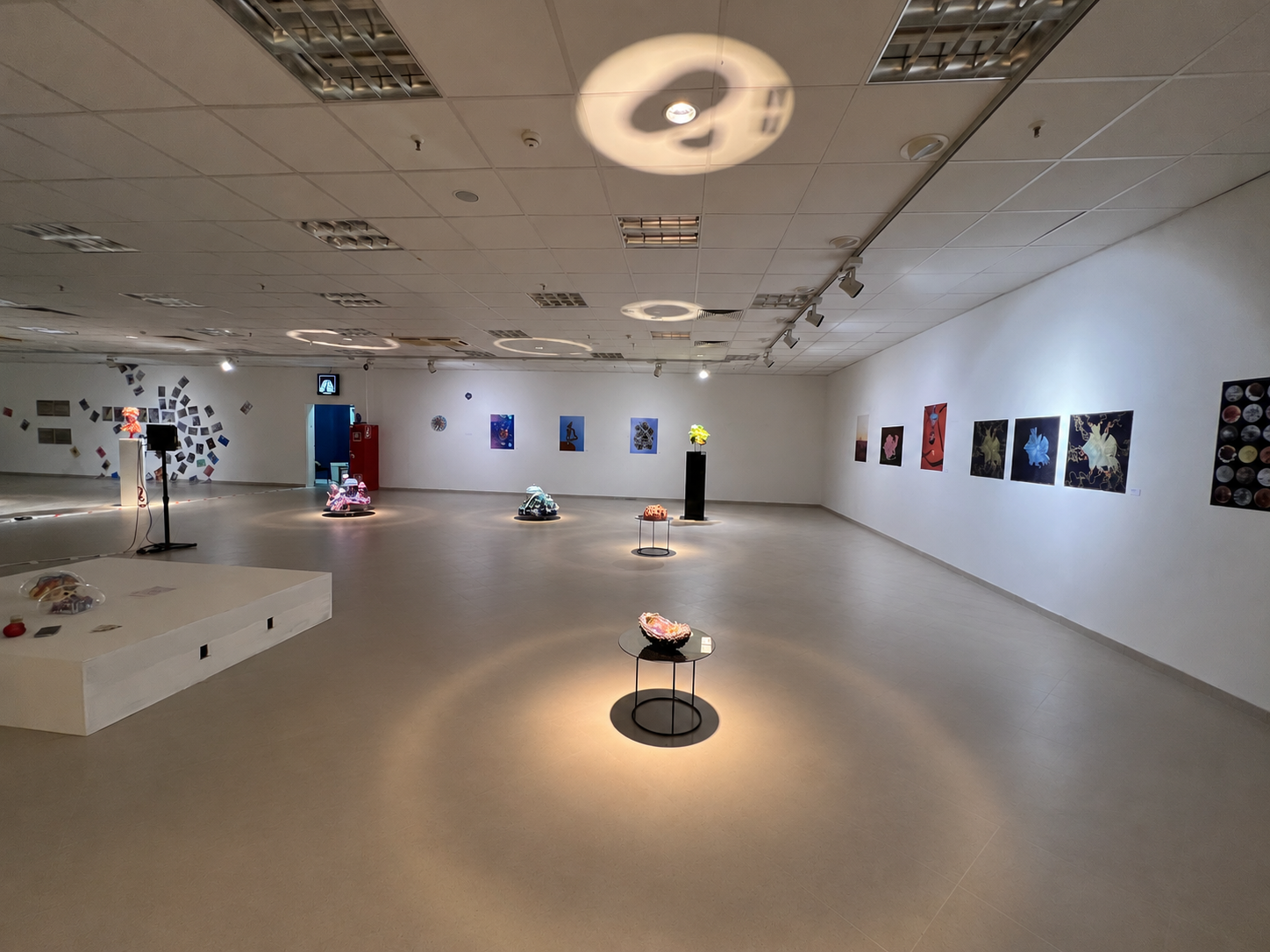
Plastik im System explored plastic as a defining material of the present: a symbol of short-lived mass production and, at the same time, an enduring component of our ecological and material environment. In a former retail space in Berlin, the exhibition unfolded as a large-scale installation comprising sculptures, photographs, digital collages, and a site-specific sound installation by composer Sascha Dragicevic.
The sculptural works were created from hundreds of plastic fragments collected throughout the urban environment. Through processes of gathering, sorting, layering, and compression, these industrially produced remnants were transformed into new, organically suggestive constellations. Plastic appeared not merely as waste, but as an active element within a material network in which human and non-human actors are deeply entangled.
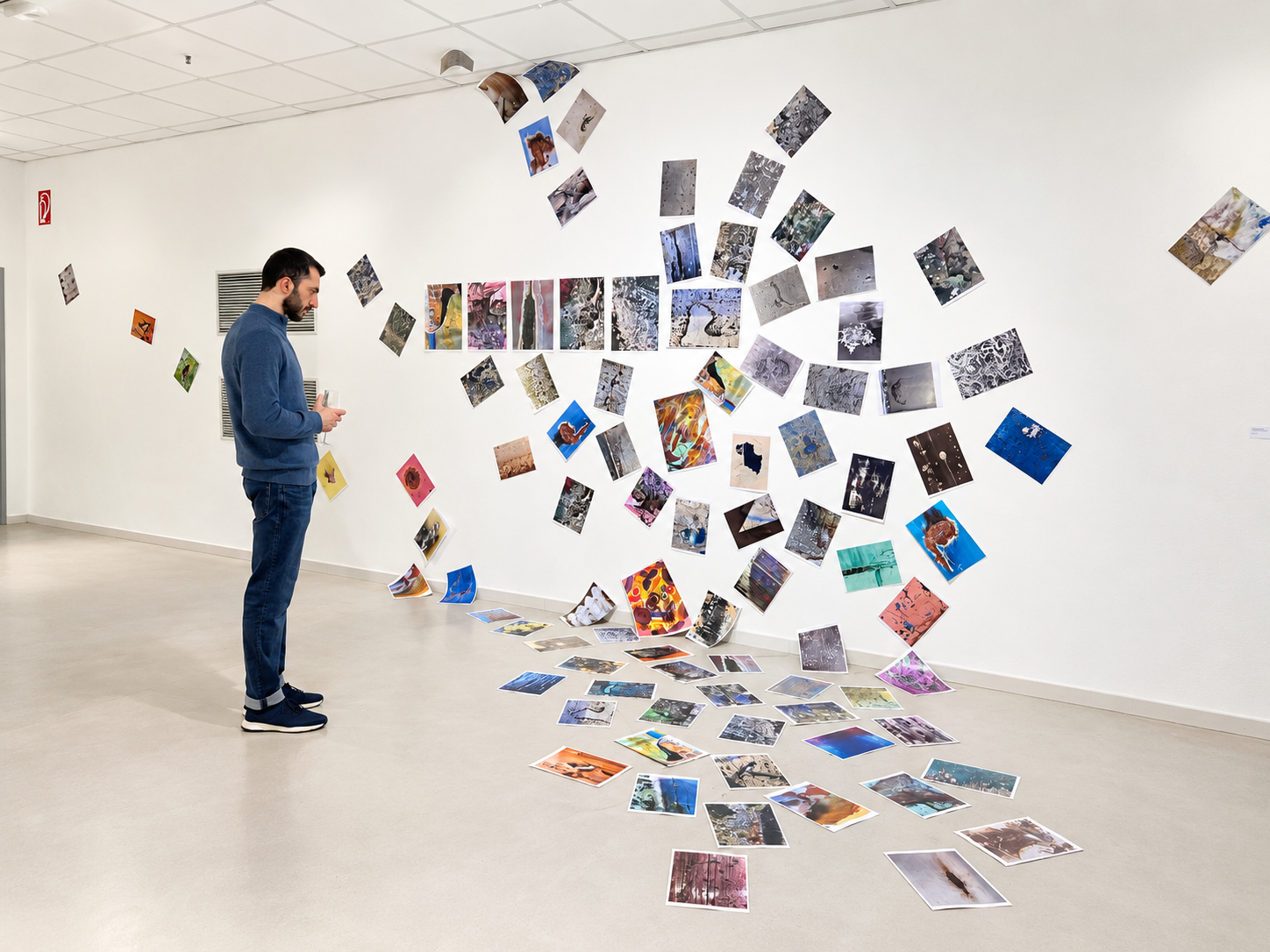
Photographs and digital collages took up urban surfaces and traces of use, time, and decay, translating them into ambiguous pictorial spaces. The exhibition examined how new orders emerge from fragments, how material configurations shift and transform, and what role humans occupy within these systems.
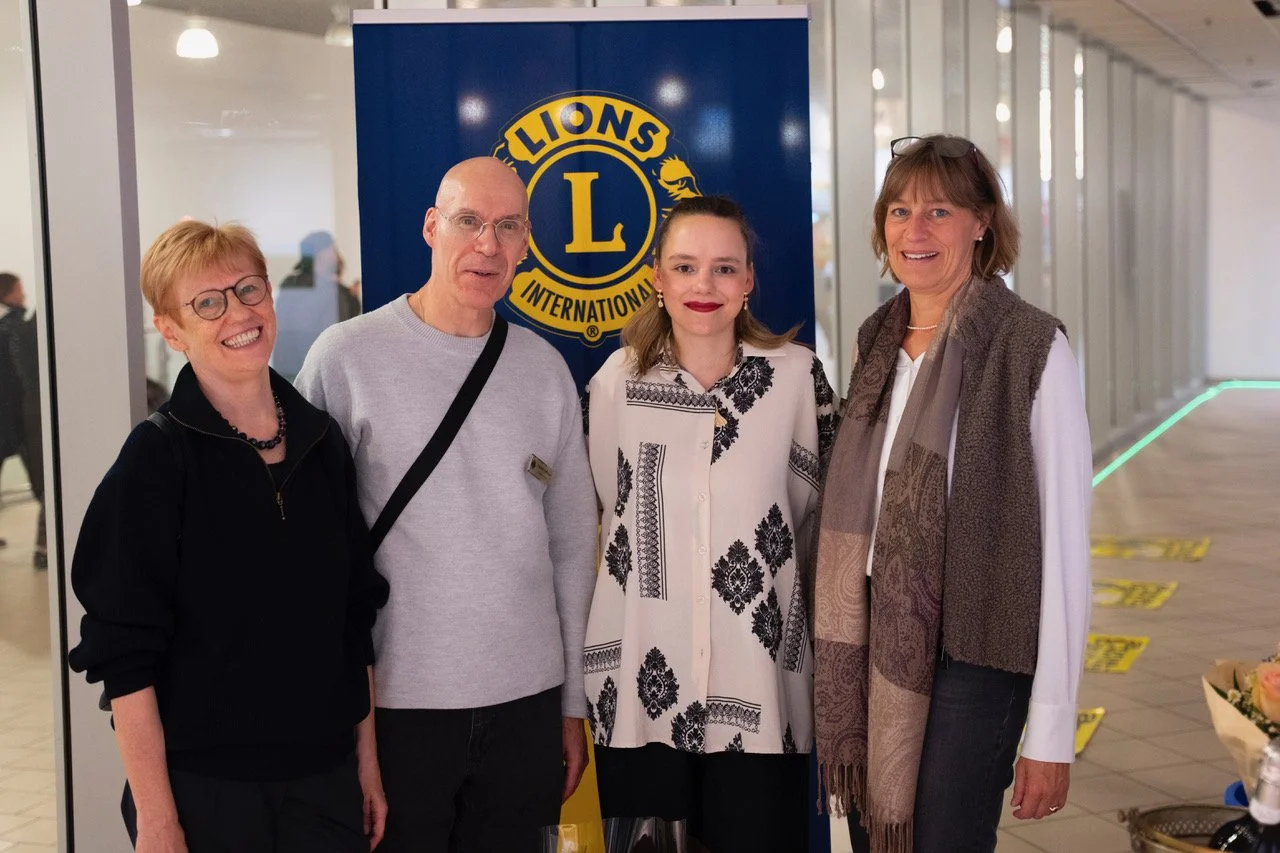
Plastik im System was realised with the support of Culterim and funded by the Lions Club Berlin Savigny.
Gallery Heinz Galinski, Berlin
Group Exhibition, September 13 – December 2025
From 13 September through the end of the year, works by Anna-Lena Dauber were presented in a group exhibition at the Heinz Galinski Galerie in Berlin. The exhibition featured a selection of her collages, which explore fragmentation, surface, and the reconfiguration of heterogeneous visual material.
In these works, found and combined elements are arranged into dense pictorial spaces in which layering, superimposition, and visual tension play a central role. The collages form an important strand within Dauber’s practice, extending her engagement with materiality and the formation of systems into a two-dimensional form.